Wayfarer Guide to Madagascar: The Slow Island
Madagascar: The Island of Slow Adventures. for travel, there's always a faster path, but for those who want their vacations to be slower and more immersive - well, that means a detour from the usual tourist tracks. We're here with you on your way to this beautiful island nation, where time moves at its own pace, and everything feels like it's happening just one step behind. read more travel guides
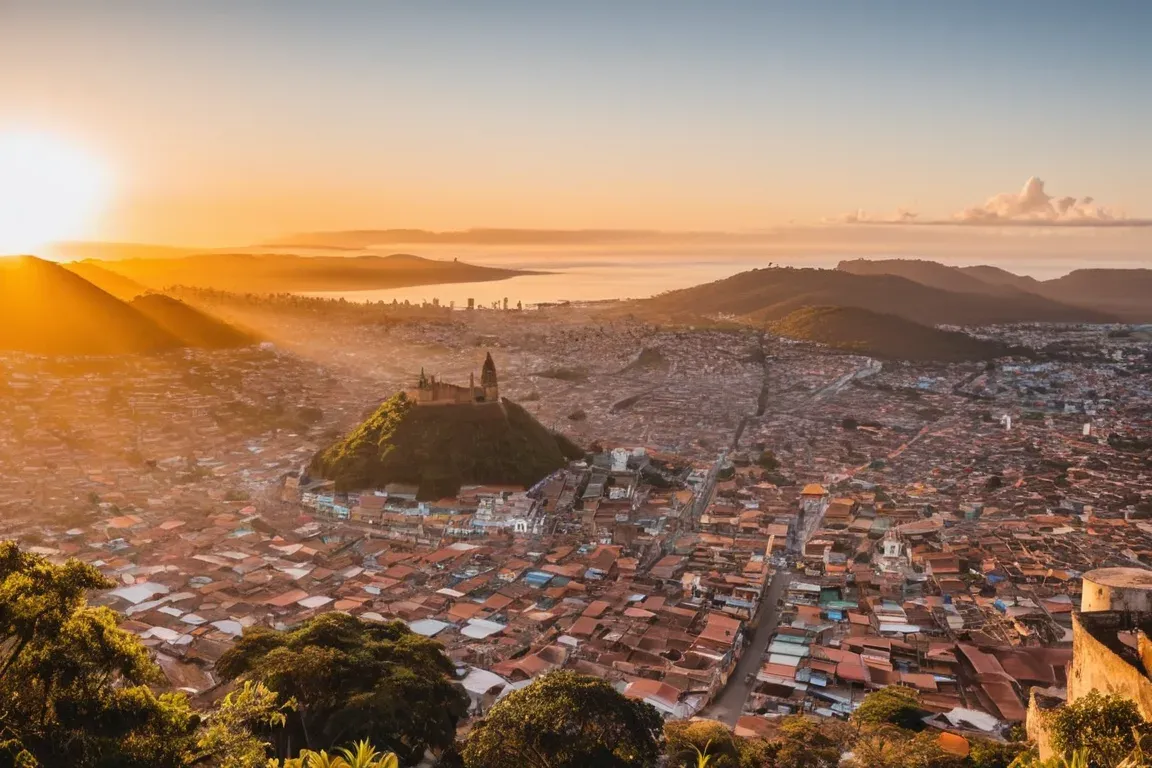
Why Choose Madagascan Backroads?
The slow-paced lifestyle of Madagascar is a big part of what makes the place so special. The country has some 18 regions, each with its own unique charm and culture, but they all share this slow pace: the time it takes to get from one village to another isn't just measured in hours, but in days or even weeks.
The Journey: From Backroads to Bumpy Tracks
Your first stop will likely be Antananarivo - the capital and largest city. This sprawling metropolis is a melting pot of cultures from around the world. Don't expect it to be as fast-paced as cities in more developed countries, but there are still some modern attractions.
Day Trip 1: From Anjajavy to Ambovombe
Your first trip out of Antananarivo will take you about two hours. You'll start with a scenic drive through the lush countryside and pass by many traditional villages where local farmers work their fields. This is a chance to get a taste of rural life in Madagascar.
- Distance: About 10 km
- Cost: Free (if you're willing to walk)
- Holiday: Perfect for nature lovers and those who want an escape from city crowds
Day Trip 2: From Mananakely to Tsaratanana
This journey will take you about three hours and includes a stop at two traditional villages. It's a chance to see the rich culture of Madagascar without rushing past it.
- Distance: About 15 km
- Cost: Free (if you're willing to walk)
- Holiday: Great for those who want to immerse themselves in local life and learn about traditional customs
Madagascar's quiet spots
Madagascar is full of quiet spots that can only be discovered on slow travel. For example, you might choose to stay in a traditional Malagasy village for the night instead of rushing straight into a city.
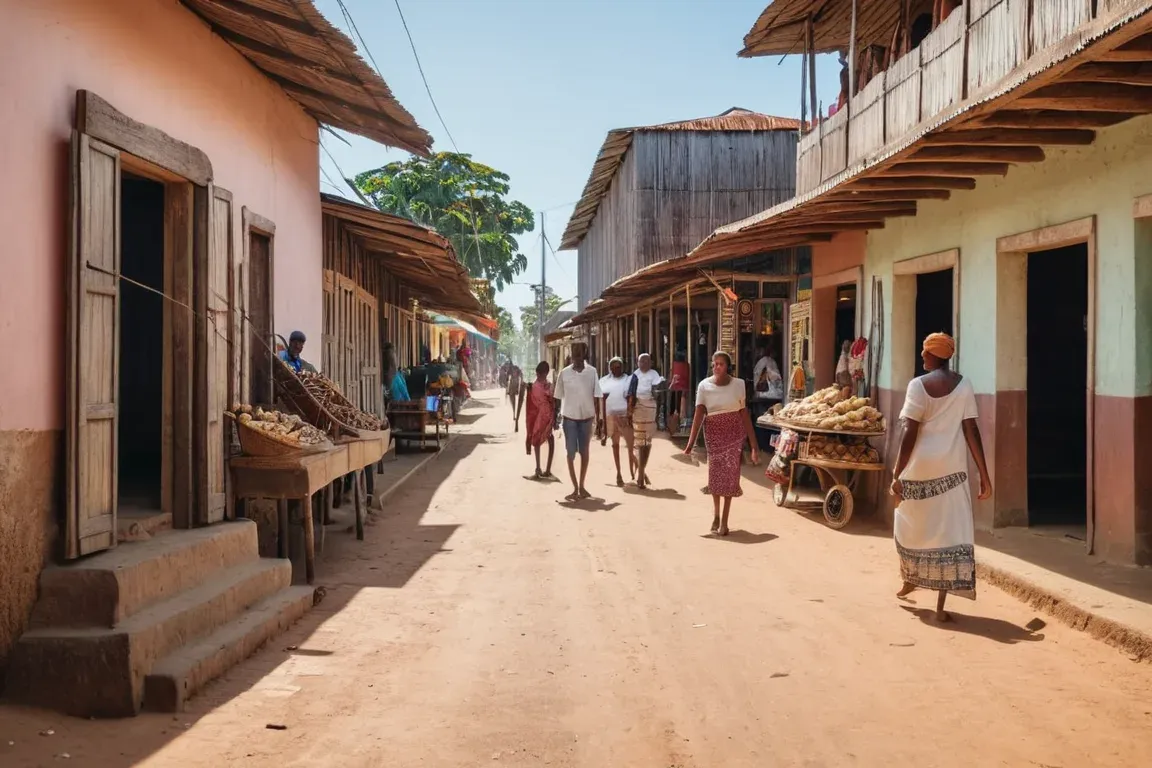
- Village: Anjajavy
- Description: Located near Antananarivo, this village is known for its unique rock formations and beautiful landscapes.
The Slow Life in Madagascar
Madagascar's slow pace doesn't just apply to travel. The country itself has a laid-back vibe that makes it feel like you're part of something special. There are plenty of opportunities to relax, explore the natural beauty of the island and simply enjoy life.
The Slow Life in Everyday Madagascar
- Local Activities:
- Visit traditional villages (if youve time)
- Hike in national parks
- Breathe in the fresh air and listen to the sound of birds singing
A Note on Costs and Value
While Madagascar is a country with unique charm, it's not cheap. Expect to spend anywhere from $10-$50 per day based on accommodation choices.
- Priced range: $3 - $4 for meals in traditional restaurants (with local ingredients)
- Luxury accommodations can cost more than $200 per night
This doesn't mean it's a place to skimp - the slower pace offers plenty of value. You'll experience genuine hospitality and immerse yourself in the culture, making your time there feel rich and memorable.
What Kind of Traveler is This Place for?
Madagascar isnt for everyone, and that's okay! If you prefer a faster-paced lifestyle and want to see as much as possible without taking it too slow, then Madagascar might not be the place for you. However, if you're up for a slower journey that allows you time to truly explore and immerse yourself in a unique culture, then this island is just what you need.
Conclusion: Slow-Travel Your Way Around Madagascar
Madagascar offers a slow travel experience like no other. From the natural wonders of the countryside to the rich traditions of traditional villages, this country promises a journey that's as beautiful as its relaxing. Whether you're planning to hike through forests or relax on white-sand beaches, there are plenty of options to choose from.
So pack your bags and hit the backroads - because even though Madagascar might take its time with you, it's worth every second spent here.
The Cultural Delights of Madagascar: A quiet spot in the Heart of Europe
Madagascar is a land of extraordinary beauty, rich history, and lively culture that has been largely overlooked by mainstream tourists. This island nation, located off Africa's southeastern coast, offers travelers an authentic cultural experience unlike any other. The traditional Malagasy language, unique customs, impressive colonial architecture, and the country's rich heritage offer a glimpse into its past while simultaneously showcasing what its doing right now. From the intricate masks of the Maroantika Museum in Antananarivo to the lively village life at Antananarivo's Toliara market, there is much to explore. In contrast with European countries that have undergone modernization and urban sprawl, Madagascar's rural regions remain untouched by the rapid changes brought about by globalization. This allows visitors to experience a slower pace of life where nature takes center stage in everyday existence. From lush rainforests to tranquil beaches, each village reveals its own unique charm.Educational Experiences: Learning About the Past
Madagascar's history is as rich and varied as its complex. As a result, the island has many historical sites to visit, including ancient temples, palaces, castles, forts, churches, mosques, tombs, and royal tombs dating back to the 16th century. One of the best places to start exploring Madagascar's history is in Antananarivo at the Maroantika Museum. The museum houses an extensive collection of traditional masks from various Malagasy tribes, including the Austronesian group, which arrived on the island around 250 years ago via ships and canoes. Another worth seeing site is Ambohimanga, a royal palace complex that showcases the grandeur of pre-colonial Madagascar. It was once the residence of several Malagasy kings and queens and contains beautiful frescoes and intricate carvings.Food: The Heartbeat of Culture
Food in Madagascar is a reflection of its rich culinary heritage, deeply rooted in both local ingredients and colonial influences. Traditional dishes like 'komba' (roasted meat), 'tikoloa' (stewed chicken with rice), and 'tsogona' (fish curry) are staples of Malagasy cuisine. One cant visit Madagascar without trying the traditional "lilava" (papaya leaf wrap). This dish is a popular street food, offering a unique taste experience that has become quite famous. However, it's essential to remember that there are many other delicious dishes to savor as well, including 'tsara' (a spicy fish stew), and the local "komba" (roasted meat) with rice. The island also offers an array of international cuisine, which adds a new dimension to the dining experience. From French-style pastries in Antananarivo to Japanese sushi at local restaurants, Madagascar caters to food enthusiasts from all corners of the globe.Frequently Asked Questions
Madagascar travel guide is key here. Q: Is Madagascar affordable compared to other African countries?
Madagascar travel guide is key here. A: Yes, Madagascan backroads offer a more affordable option compared to neighboring African nations. Travelers can enjoy the same cultural experiences while spending less.
Madagascar travel guide is key here. Q: Are there any health concerns for travelers visiting Madagascar?
Madagascar travel guide is key here. A: While it's important to be well-prepared with appropriate vaccinations and medications, visitors often find that medical facilities in Madagascar are generally reliable and accessible.
Madagascar travel guide is key here. Q: What kind of accommodations can I expect on Madagascan backroads?
Madagascar travel guide is key here. A: Accommodations range from budget-friendly guesthouses and hostels to more luxurious boutique hotels. The choice depends on your budget and the level of comfort you prefer.
Madagascar travel guide is key here. Q: Is it safe to travel in Madagascar's rural regions?
Madagascar travel guide is key here. A: Yes, despite concerns about crime in some areas, travelers are generally well-received in Madagascar's rural regions. It's important to be aware of local customs and avoid unnecessary risks.